An extension of Ken Wilber's AQAL map and integral philosophy; better health through healing thinking (fuzzy logic and both/and logic), Alfred Korzybski's healthy language-behaviour, and a dynamic mandala encompassing the nonduality of wholeness, fragmentation, and the unnamable.
Also information on Rolf Sattler and his contributions to plant morphology, general science, philosophy, and spirituality.
This website is dedicated to Alfred Korzybski and Ken Wilber, although I am critical of the latter in several ways.
New book by Rolf Sattler: Science and Beyond: Toward Greater Sanity through Science, Philosophy, Art, and Spirituality.
"Very important work, especially in these times" (Brian McGlade).
Welcome to the website of Rolf Sattler. On it you will find the following:
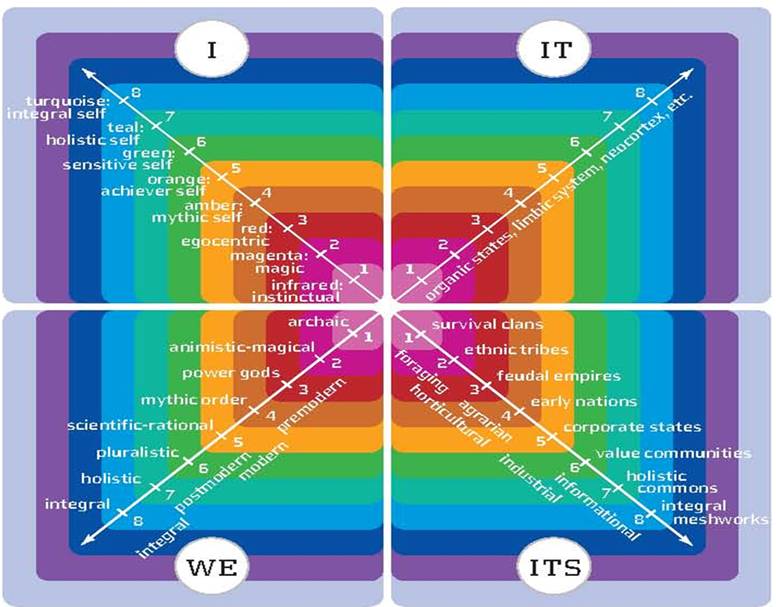 AQAL map, reproduced with permission from Wilber, K. 2007. The Integral Vision. Shambhala, Boston & London, Fig. 19, p. 151.
My free ebook Wilber's AQAL Map and Beyond. This book demonstrates how Ken Wilber's AQAL map can be made even more comprehensive so that we can go beyond Wilber as my website address indicates
Ken Wilber Quotes and Quotes from my Book
Ken Wilber and Healthy Thinking. This article relates to my webpages on health (see below).
Ken Wilber’s AQAL Dogma. A critical examination of some of the most fundamental assumptions of Ken Wilber's AQAL map that have become rigidly entrenched in spite of counter evidence.
Ken Wilber's AQAL Map and Korzybski's General Semantics. It seems that Ken Wilber applies Korzybski's deep insights only to a limited extent.
Perspectivism and Complementarity: AQAL, the Big Tube, and the Dynamic Mandala - three very comprehensive visions of reality
Ken Wilber, Humor, and Laughter. This article relates to laughter and laughter yoga (see below).
Ken Wilber, his Critics, and the Integral: Links

Health - a brief introduction
Health and Sanity of Body, Speech, and Mind - a comprehensive article on health and sanity.
Body, Speech, and Mind - a modern view of the three vajras of Tibetan Vajrayana Buddhism.
Integrating Meditation into Everyday Life: Living Fully - a comprehensive article on a toolbox of techniques that can open the door to a more deeply fulfilled life.
Healthy Language-Behavior and Spirituality - making our language healthier renders our behaviour and spirituality healthier (as elaborated in Korzybski's General Semantics).
My book manuscript Healing Thinking and Being (health through healing thinking and being beyond thinking)
My Open Book Wholeness, Fragmentation, and the Unnamable: Holism, Materialism, and Mysticism - A Mandala (including appendices on The Human Condition and its Transcendence and Lessons from the 20th Century for the 21st Century). This book, based on a dynamic mandala, presents a mandalic worldview and living. Its Subject and Author Index refers also to the other pages of this website.
See also Quotes on Health and Healing (below)

Laughter, including Laughter Yoga and Ha Ha Zen
Video on Laughter Yoga
See also Quotes on Laughter (below)
Quotes
Quotes from Korzybski, Ken Wilber, my Wilber book, holistic scientists (Nobel Laureates), mystics, and quotes on health and healing, laughter and wisdom
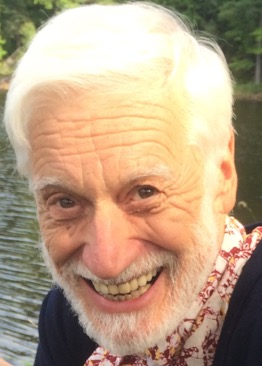 Rolf Sattler and his contributions to plant morphology, general science, philosophy, etc.:
Information About me with sections on
My Publications
My Life Lessons
My Core Message: Integral Visions and Nonduality
Science: its Power and Limitations
Science - truth, dogma, theory, a perspective, or what?
Fundamental Myths about Science
Plant Morphology: Fundamental Issues
Philosophy of Plant Morphology
Morphological Development (Organogenesis) of
Flowers: Diversity, Complexity and Dynamics
Plant Evo-Devo of the Gynoecium of Angiosperms (flowering plants)
Plant Evo-Devo (Evolutionary Developmental Biology) and the Evolution of my Morphological Research documented through my Publications
From Plant Morphology to Infinite Issues (including Ken Wilber and Korzybski)
Special Interests
Questions and Answers on topics of this website
My critical appreciation of Ken Wilber, his comprehensive AQAL map and integral philosophy leads to an even more comprehensive map, the dynamic mandala, a map of maps that complement one another in a playful way of healing tolerance.
How do I see the connection between Ken Wilber and his AQAL map on the one hand, and health (through healing thinking) and laughter on the other hand? The AQAL map implies healthy thinking and healing thinking to a great extent. I emphasize, however, modes of thinking and logic that heal to a still greater extent. In this connection I also emphasize the enormous importance of Korzybski's contributions to language-behaviour. And, like Korzybski and Wilber, I suggest that ultimately we have to go beyond all thought and thinking. Dance and laughter are two easily approachable doors that can lead from the thinking mind to what has been called no-mind or Big Mind.
Latest update of this website on March 26, 2021
Also information on Rolf Sattler and his contributions to plant morphology, general science, philosophy, and spirituality.
This website is dedicated to Alfred Korzybski and Ken Wilber, although I am critical of the latter in several ways.
New book by Rolf Sattler: Science and Beyond: Toward Greater Sanity through Science, Philosophy, Art, and Spirituality.
"Very important work, especially in these times" (Brian McGlade).
Welcome to the website of Rolf Sattler. On it you will find the following:
On Ken Wilber's AQAL Map and Integral Philosophy:
AQAL map, reproduced with permission from Wilber, K. 2007. The Integral Vision. Shambhala, Boston & London, Fig. 19, p. 151.My free ebook Wilber's AQAL Map and Beyond. This book demonstrates how Ken Wilber's AQAL map can be made even more comprehensive so that we can go beyond Wilber as my website address indicates
Ken Wilber Quotes and Quotes from my Book
Ken Wilber and Healthy Thinking. This article relates to my webpages on health (see below).
Ken Wilber’s AQAL Dogma. A critical examination of some of the most fundamental assumptions of Ken Wilber's AQAL map that have become rigidly entrenched in spite of counter evidence.
Ken Wilber's AQAL Map and Korzybski's General Semantics. It seems that Ken Wilber applies Korzybski's deep insights only to a limited extent.
Perspectivism and Complementarity: AQAL, the Big Tube, and the Dynamic Mandala - three very comprehensive visions of reality
Ken Wilber, Humor, and Laughter. This article relates to laughter and laughter yoga (see below).
Ken Wilber, his Critics, and the Integral: Links
On Health, Holism (Wholeness), and Holiness (Sacredness) - the 3 h's and Alfred Korzybski:
Health - a brief introduction
Health and Sanity of Body, Speech, and Mind - a comprehensive article on health and sanity.
Body, Speech, and Mind - a modern view of the three vajras of Tibetan Vajrayana Buddhism.
Integrating Meditation into Everyday Life: Living Fully - a comprehensive article on a toolbox of techniques that can open the door to a more deeply fulfilled life.
Healthy Language-Behavior and Spirituality - making our language healthier renders our behaviour and spirituality healthier (as elaborated in Korzybski's General Semantics).
My book manuscript Healing Thinking and Being (health through healing thinking and being beyond thinking)
My Open Book Wholeness, Fragmentation, and the Unnamable: Holism, Materialism, and Mysticism - A Mandala (including appendices on The Human Condition and its Transcendence and Lessons from the 20th Century for the 21st Century). This book, based on a dynamic mandala, presents a mandalic worldview and living. Its Subject and Author Index refers also to the other pages of this website.
See also Quotes on Health and Healing (below)
On Laughter
Laughter, including Laughter Yoga and Ha Ha Zen
Video on Laughter Yoga
See also Quotes on Laughter (below)
Quotes
Quotes from Korzybski, Ken Wilber, my Wilber book, holistic scientists (Nobel Laureates), mystics, and quotes on health and healing, laughter and wisdom
Rolf Sattler and his contributions to plant morphology, general science, philosophy, etc.:Information About me with sections on
My Publications
My Life Lessons
My Core Message: Integral Visions and Nonduality
Science: its Power and Limitations
Science - truth, dogma, theory, a perspective, or what?
Fundamental Myths about Science
Plant Morphology: Fundamental Issues
Philosophy of Plant Morphology
Morphological Development (Organogenesis) of
Flowers: Diversity, Complexity and Dynamics
Plant Evo-Devo of the Gynoecium of Angiosperms (flowering plants)
Plant Evo-Devo (Evolutionary Developmental Biology) and the Evolution of my Morphological Research documented through my Publications
From Plant Morphology to Infinite Issues (including Ken Wilber and Korzybski)
Special Interests
Questions and Answers on topics of this website
My critical appreciation of Ken Wilber, his comprehensive AQAL map and integral philosophy leads to an even more comprehensive map, the dynamic mandala, a map of maps that complement one another in a playful way of healing tolerance.
How do I see the connection between Ken Wilber and his AQAL map on the one hand, and health (through healing thinking) and laughter on the other hand? The AQAL map implies healthy thinking and healing thinking to a great extent. I emphasize, however, modes of thinking and logic that heal to a still greater extent. In this connection I also emphasize the enormous importance of Korzybski's contributions to language-behaviour. And, like Korzybski and Wilber, I suggest that ultimately we have to go beyond all thought and thinking. Dance and laughter are two easily approachable doors that can lead from the thinking mind to what has been called no-mind or Big Mind.
Latest update of this website on March 26, 2021
